

TL;DR:
- Understanding marketing funnel stages helps businesses see where prospects drop off across the marketing funnel, sales funnel, and conversion funnel, making it easier to identify funnel leakage, reduce revenue leakage, and protect profit margins before more budget disappears.
- A healthy funnel guides people through the awareness stage, consideration stage, conversion stage, and retention stage using a coordinated digital marketing strategy, lead generation, lead nurturing, and customer journey optimization that turns attention into measurable revenue.
- Effective funnel optimization combines conversion rate optimization, landing page optimization, website conversion optimization, audience segmentation, marketing automation, and CRM automation to improve the lead conversion rate, lower customer acquisition cost, and strengthen overall funnel performance.
- Businesses can plug common sales funnel leaks by aligning the email marketing funnel, content marketing funnel, paid advertising funnel, and ecommerce funnel with a focused remarketing strategy, abandoned cart recovery, conversion tracking, and clear sales funnel strategy across the entire buyer journey.
- Long-term marketing funnel optimization depends on tracking the right funnel metrics, including cost per acquisition, customer lifetime value, average order value, marketing ROI, and customer retention, so businesses can improve revenue optimization, profit margin optimization, lifecycle marketing, and achieve sustainable revenue growth.
Your funnel looks busy.
Traffic is up. Ads are getting clicks. Leads are entering the CRM. Emails are going out. Someone on the team has even created a dashboard with twelve graphs and a suspicious amount of confidence.
And yet revenue is limping.
That usually means one thing: somewhere inside your marketing funnel stages, people are quietly disappearing.
They click and leave. They download and vanish. They add to cart and ghost you. They book a call and suddenly develop a lifelong fear of calendars.
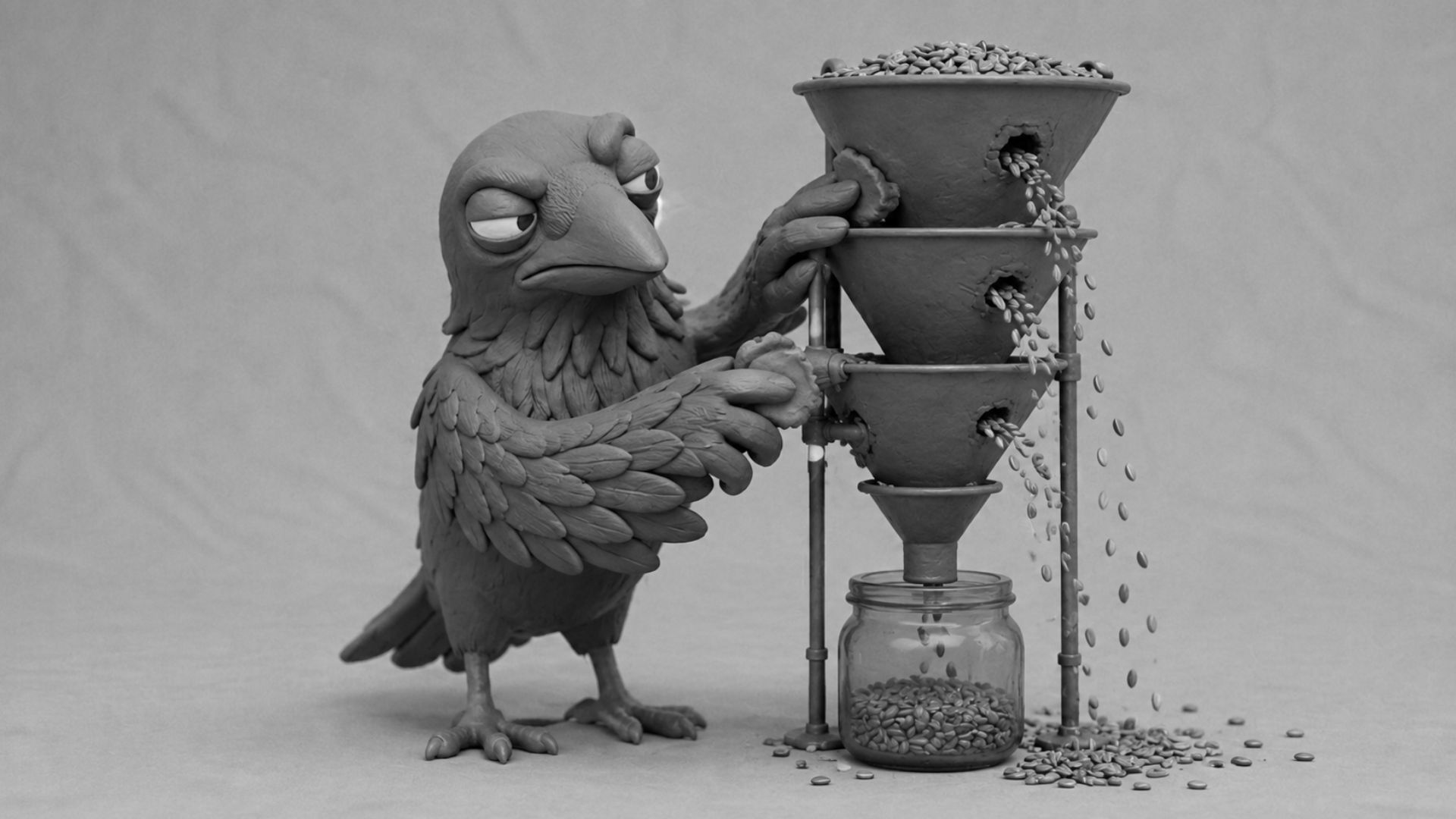
The problem is not always traffic. It is often funnel leakage.
And every leak costs money.
Marketing Funnel Stages: Where the Money Actually Disappears
A typical marketing funnel moves people through four broad stages:
- Awareness
- Consideration
- Conversion
- Retention
Each stage has a different job.
The awareness stage gets attention.
The consideration stage builds trust.
The conversion stage gets people to act.
The retention stage keeps customers coming back.
When those stages are disconnected, your customer journey starts resembling a shopping mall with no signs, three locked doors, and a checkout counter hidden in the basement.
Effective marketing funnel optimization is about finding the exact point where people lose momentum and fixing that before pouring more money into acquisition.
Awareness Stage: Congratulations on the Traffic. Now What?
Top-of-funnel traffic is easy to celebrate.
Ten thousand website visits sounds fantastic.
But if nobody becomes a lead, subscriber, customer, or even mildly interested human, the number is mostly decorative.
Weak lead generation often happens because the traffic does not match the offer.
Maybe your ads promise one thing and your landing page delivers something else. Maybe the targeting is too broad. Maybe your content attracts curious visitors rather than actual buyers.
This is where audience segmentation, landing page optimization, and conversion tracking matter.
Your goal is not maximum traffic.
It is relevant traffic.
A smaller audience with stronger intent can outperform a viral campaign full of people who were never going to buy anything.
Consideration Stage: Where Leads Go to Think Forever
Now imagine people are interested.
They know your brand. They have read your content. Maybe they even downloaded a guide or joined your email list.
And then… nothing.
This middle section of the sales funnel is where many businesses accidentally abandon perfectly good leads.
Potential buyers often stall because they still have unanswered questions.
Is this worth the price?
Will it work for me?
Can I trust this company?
What happens after I buy?
Good lead nurturing addresses those concerns through case studies, testimonials, comparison content, educational emails, demos, FAQs, and personalized follow-ups.
Your email marketing funnel should reduce uncertainty.
If every email simply says “BUY NOW” in slightly different fonts, you are not nurturing the lead.
You are shouting at it.
Conversion Stage: The Most Expensive Place to Lose Someone
Nothing hurts quite like getting a prospect all the way to checkout and then watching them disappear.
Bottom-of-funnel leaks often come from friction.
Too many form fields.
Unexpected fees.
Limited payment options.
Slow mobile pages.
Confusing calls to action.
A checkout process that feels like applying for citizenship.
Strong conversion rate optimization removes unnecessary obstacles. Review your forms, checkout flow, mobile experience, pricing clarity, trust signals, and payment process.
For ecommerce brands, abandoned cart recovery and remarketing can bring high-intent buyers back.
For service businesses, fast follow-up after enquiries can make the difference between a new client and a lead that quietly hires someone else.
Retention Stage: The Funnel Does Not End at the Sale
Many businesses celebrate the conversion and immediately forget the customer exists.
That is expensive.
Customer retention improves customer lifetime value and reduces the pressure to constantly acquire new buyers.
A strong retention stage might include:
- Post-purchase communication
- Customer onboarding
- Loyalty programs
- Reorder reminders
- Upselling and cross-selling
- Customer support
- Win-back campaigns
Lifecycle marketing keeps the customer journey moving after the initial purchase.
Because sustainable revenue growth comes from more than getting customers.
It comes from keeping them.
Your CAC Might Be Quietly Eating Your Margins
Customer acquisition can look healthy on the surface while destroying profitability underneath.
Maybe ads are converting.
Great.
But what did those customers cost?
If your customer acquisition cost keeps climbing while average order value and customer lifetime value remain flat, your margins eventually get squeezed.
That is why funnel performance should be measured using more than conversion rate.
Look at:
- Cost per acquisition
- Lead conversion rate
- Average order value
- Customer lifetime value
- Revenue by channel
- Retention rate
- Funnel drop-off rate
- Marketing ROI
Revenue optimization happens when all of these numbers work together.
Fix the Biggest Leak First
Do not redesign the entire funnel because one metric looks uncomfortable.
Start with the stage causing the most financial damage.
If thousands of qualified visitors reach your website but nobody completes the form, fix the landing page.
If leads enter your CRM but nobody follows up, repair the sales handoff.
If customers buy once and vanish, focus on retention.
Effective funnel optimization is not about making everything perfect at once.
It is about fixing the bottleneck that is currently swallowing the most money.
Frequently Asked Questions
Why is high website traffic converting into zero qualified leads at the Top of the Funnel?
The traffic may be poorly targeted, the offer may not match visitor intent, or the landing page may lack clarity. Review acquisition sources, audience targeting, and conversion paths before increasing traffic further.
What causes prospective buyers to stall in the Middle of the Funnel?
Common reasons include unanswered objections, weak follow-up, lack of proof, unclear pricing, and generic nurture content. Prospects need relevant information that reduces risk and builds confidence.
Why do high-intent prospects drop off at the Bottom of the Funnel?
Checkout friction, hidden costs, weak trust signals, slow pages, complicated forms, and limited payment options can cause last-minute abandonment.
Why are Customer Acquisition Costs eroding margins despite healthy front-end conversions?
A high conversion rate does not guarantee profitability. If acquisition costs rise faster than customer value, the business can generate more customers while earning less profit from each one.
How do I prioritize which funnel leaks to repair first?
Identify the stage where the largest number of valuable prospects drop off, then estimate the revenue impact. Prioritize leaks closest to revenue or those affecting the greatest volume of qualified prospects.
Stop Feeding a Funnel That Cannot Hold Water
More traffic will not fix a broken customer journey.
You need to understand your marketing funnel stages, identify where prospects disappear, and repair the leaks before throwing more money into ads, content, and acquisition.
Splitrun helps businesses connect digital marketing, automation, conversion optimization, and analytics into funnels designed to create sustainable revenue instead of expensive activity.