

TL;DR:
- Modern Branding and Identity goes far beyond creating a logo. Today’s businesses require complete brand identity systems that combine visual identity design, messaging, motion, and strategy to create scalable and recognizable experiences across every customer touchpoint.
- Strong modern branding strategy relies on consistent brand guidelines development, unified visual branding elements, and adaptable digital brand identity systems that help brands maintain recognition and trust across websites, social media, advertising, and emerging digital platforms.
- Businesses investing in scalable brand systems, brand architecture strategy, and cohesive brand communication are better positioned to strengthen brand consistency, improve customer perception, and build memorable experiences that support long-term audience engagement.
- Effective strategic branding combines brand storytelling strategy, brand voice strategy, typography and branding, and color psychology in branding to translate abstract business values into clear emotional connections that improve customer trust and differentiation.
- As digital markets become increasingly crowded and AI-generated content becomes more common, brands focused on branding beyond logos, identity-driven marketing, and future-ready brand development are more likely to achieve stronger recognition, scalable growth, and sustainable online brand presence.
A lot of businesses still think branding starts and ends with a logo.
Get a symbol.
Pick a font.
Choose two colors.
Throw it on a website.
Done.
Except… not really.
Because modern audiences interact with brands across dozens of platforms, formats, devices, and touchpoints every single day. A logo alone cannot hold all of that together anymore. Not in a world filled with social media feeds, motion graphics, AI-generated content, short-form video, apps, digital advertising, packaging, websites, and constantly shifting audience expectations.
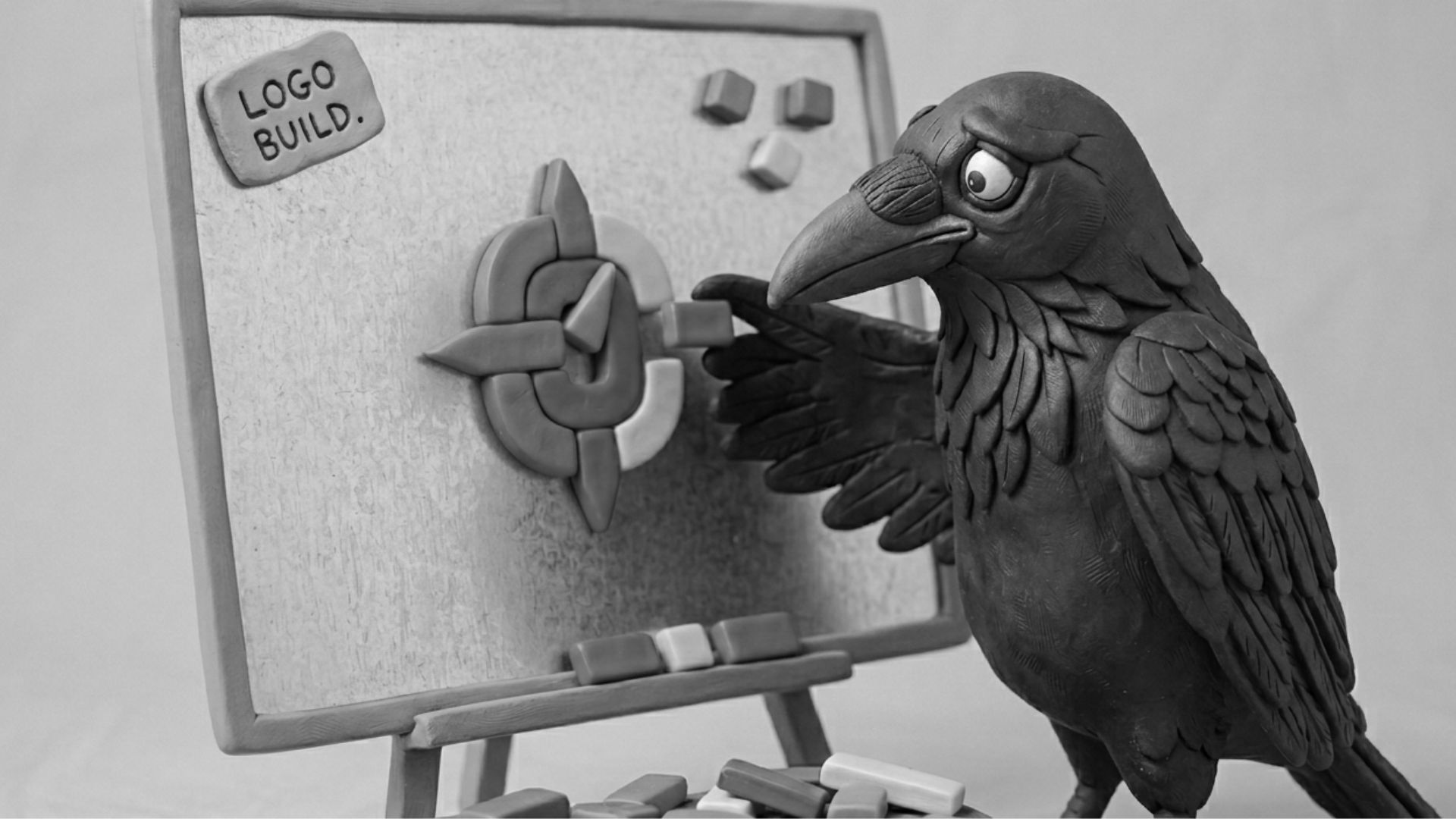
That is why modern branding and identity is moving away from isolated logo design strategy and toward complete brand identity systems.
The strongest brands today are not built around a single visual.
They are built around systems.
And honestly, that shift is changing everything.
The Difference Between a Logo and a Brand Identity System
A logo is a symbol.
A brand identity system is an ecosystem.
It includes:
- Visual identity design
- Typography and branding
- Color psychology in branding
- Brand voice strategy
- Motion design principles
- Visual branding elements
- Brand experience design
- Consistent brand messaging
- Omnichannel branding systems
A logo may help people recognize a business.
A scalable brand system helps people remember how the business feels.
That difference matters because branding and customer perception are shaped through repeated experiences, not isolated graphics.
Modern branding strategy focuses on building identity systems that work cohesively across every platform instead of relying on one static design element to carry the entire business identity.
Why Logos Alone Fail on Modern Digital Platforms
A standalone logo struggles because digital environments are constantly changing.
Think about how many places brands now appear:
- Websites
- Social media
- Video content
- Mobile apps
- Email campaigns
- Podcasts
- Ecommerce platforms
- Digital ads
- Motion graphics
- Interactive experiences
A logo designed without adaptable branding systems quickly becomes restrictive.
This is why identity design systems are becoming essential for branding for modern businesses.
A modern digital brand identity needs flexibility.
It must scale across:
- Different screen sizes
- Motion-based content
- Interactive formats
- Global campaigns
- Multichannel marketing
- Dynamic social content
Static branding is struggling in a moving internet.
Brand Systems Create Consistency Without Killing Creativity
A common fear businesses have is:
“If we use strict brand guidelines development, won’t everything become repetitive?”
Actually, the opposite usually happens.
Strong brand management systems create creative consistency, not creative limitation.
Think of a brand architecture strategy like a creative operating system:
- The colors stay recognizable
- The typography feels familiar
- The messaging remains cohesive
- The visuals maintain emotional continuity
But the content itself can evolve endlessly.
This is how global brands maintain brand recognition strategy while still adapting campaigns for different audiences and platforms.
Consistency builds trust.
Flexibility keeps the brand alive.
Good branding and identity balances both.
Motion-First Branding Is Changing Identity Design
One major shift happening in modern branding strategy is the rise of motion-first branding.
Brands are no longer designed purely for static surfaces like billboards or print ads.
Today, audiences experience brands through:
- Reels
- Animations
- Interactive websites
- Short-form videos
- UI transitions
- Dynamic digital experiences
This changes how visual communication strategy works.
Identity systems now need to account for:
- Movement
- Responsiveness
- Animation behavior
- Interactive storytelling
- Digital adaptability
Future-ready brand development means thinking beyond flat logos and building systems that function fluidly in motion-heavy environments.
The internet moves.
Modern brands have to move with it.
Branding Beyond Logos Builds Customer Trust
When businesses treat branding as “just design,” they often create fragmented experiences.
Different colors everywhere.
Different messaging every month.
Random typography choices.
Inconsistent visuals.
Confused tone.
That inconsistency damages customer trust through branding because audiences begin perceiving the company as disorganized.
A professional brand identity creates reliability.
People trust brands that feel intentional.
This is why cohesive brand communication and unified brand systems matter so heavily in identity-driven marketing.
Strong branding silently communicates:
- Stability
- Professionalism
- Confidence
- Clarity
- Reliability
And those emotional signals directly affect audience engagement and purchasing behavior.
AI Content Is Making Brand Systems More Important
Ironically, AI-generated content is making strategic branding more valuable, not less.
Why?
Because the internet is becoming visually repetitive.
Many businesses now use similar templates, similar copy styles, similar visual trends, and similar design systems generated through AI tools.
Without strong business branding solutions, brands begin blending together.
Identity systems help businesses maintain:
- Business differentiation strategy
- Emotional branding strategy
- Strategic visual storytelling
- Memorable brand experiences
- Distinctive digital brand presence
In a world flooded with content, recognizable systems become competitive advantages.
Not louder branding.
Clearer branding.
Branding Is Really About Building Recognition Over Time
The best branding for scalability is not built for one campaign.
It is built for longevity.
A strong long-term branding strategy creates systems that survive:
- Platform changes
- Trend cycles
- Market expansion
- Content evolution
- Team growth
- Technology shifts
That is why modern branding and identity focuses so heavily on systems thinking.
Because brands today are not static objects.
They are living digital experiences constantly interacting with audiences in real time.
And living systems need structure.
If your business feels visually inconsistent, difficult to scale, or forgettable across platforms, the issue may not be your logo, it may be the lack of a complete identity system behind it.Splitrun helps businesses build scalable branding systems designed for clarity, consistency, audience trust, and long-term digital recognition. Schedule a consultation!